
Minimally invasive prostate surgery in Tijuana
When medication is no longer enough to urinate well, or when a tumor must be removed, prostate surgery is now done through the natural passages or small incisions, with less bleeding and faster recovery than open surgery.
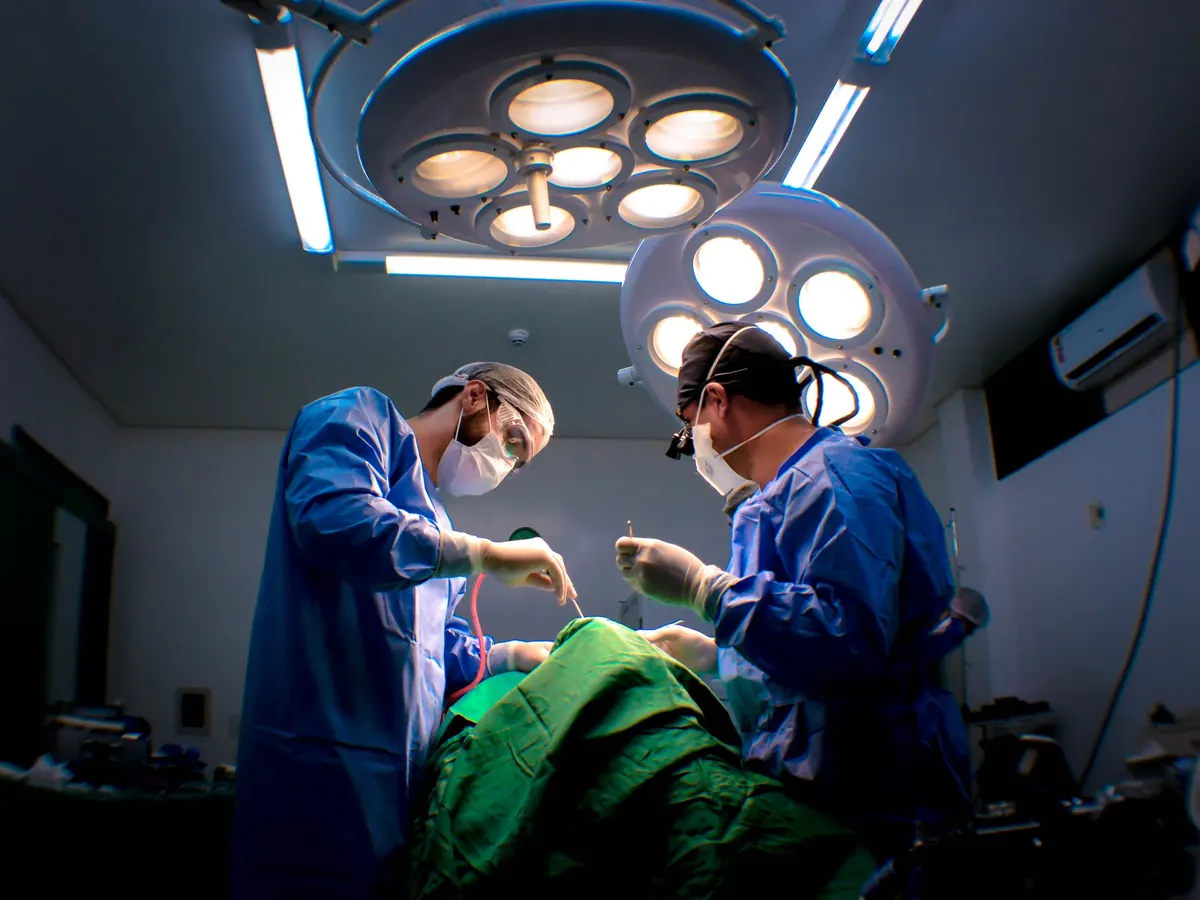
Prostate surgery: what it involves
The prostate is a walnut-sized gland below the bladder, wrapped around the urethra. With age it enlarges (benign prostatic hyperplasia) and can narrow the urinary channel. Surgery removes the obstructing tissue through the urethra, with no external wounds, by resection or laser.
For localized prostate cancer, radical prostatectomy removes the whole gland, laparoscopically whenever the case allows. The right technique depends on prostate size, your other conditions and what the workup shows.
When is it recommended?
- Urinary symptoms that do not improve with medication
- Urinary retention or need for a catheter
- Infections, bleeding or bladder stones caused by obstruction
- Kidney damage from prostate enlargement
- Localized prostate cancer
The indication is confirmed at your evaluation.
How the procedure goes
Workup
PSA, ultrasound, flow test and, depending on the case, MRI or biopsy. The technique is chosen from there.
Surgery
Under regional or general anesthesia. Most benign cases are done through the urethra, with no incisions.
Short hospital stay
Usually one or two days, with a urinary catheter removed according to progress.
Follow-up
Visits to assess how you urinate, the pathology result and, for cancer, follow-up PSA.
Recovery and aftercare
Some blood in the urine and urgency or burning are normal in the first weeks. Avoid heavy lifting and strenuous effort for about a month. Stream usually improves early; continence and sexual function are reviewed at every visit.
You will receive written instructions and a phone number for questions.
Before you decide
Does prostate surgery cause impotence?
It depends on the type. Surgery for benign enlargement usually preserves erections; what often changes is ejaculation, which may become retrograde (semen goes into the bladder). With cancer surgery the risk is higher and is explained beforehand.
How long will I be in the hospital?
One or two days in most cases, depending on the technique and how your urine clears after surgery.
Can the prostate grow back?
Remaining tissue can grow over the years, but most patients never need a second operation. Regular checkups catch it.
This page offers general information and does not replace a medical visit. Every case is assessed individually; results and recovery times vary from person to person.
We are in Tijuana’s Zona Río
Call us or leave your details and we will contact you to confirm a date and time.
- Phone+52 (664) 128 2820
- AddressZona Río, Tijuana, B.C.
- HoursBy appointment only